Facebook Pixel tracking image
Mini Cart 0

Your cart is empty.

FREE SHIPPING - 100% AUSTRALIAN DESIGNED & CRAFTED

Mini Cart 0

Your cart is empty.

The Basic 4 Cs of Diamond Characteristics — Natural, Alluvial & Lab-Grown Diamonds

Cut

Diamonds cut too shallow or too deep can detract from their overall sparkle and brilliance. You may have heard the saying: “Look for a diamond that looks big, because bigger weighs less.” While that may sound appealing, size alone should never come at the expense of cut quality.

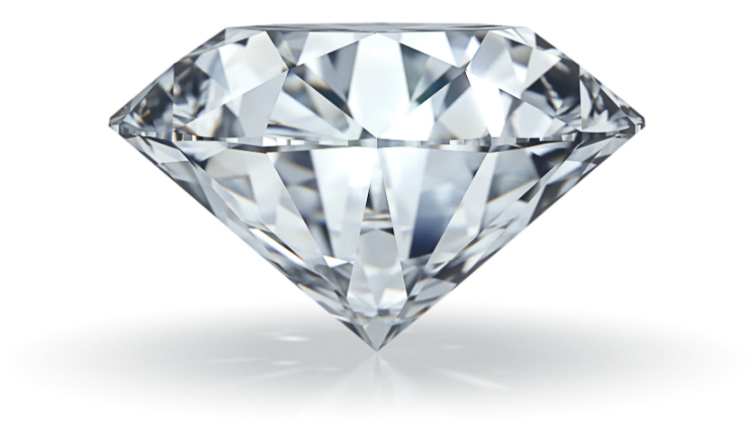
A well-cut diamond is exactly that — well cut. It will have the correct proportions and percentages needed to maximise brilliance, sparkle, and light performance, creating what is considered an ideal cut.

These cut grades are based on a Round Brilliant Cut Diamond:

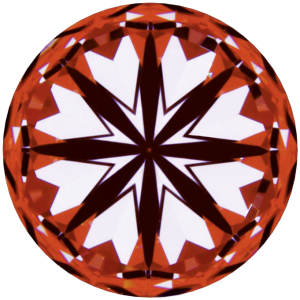
IDEAL / EXCELLENT – Perfect symmetry and faceting, designed for maximum brilliance and light return. Often described as “Hearts & Arrows” in Round Brilliant Cuts.

VERY GOOD – Very good symmetry and faceting with strong brilliance and sparkle.

GOOD – Good symmetry and faceting, though the diamond may be slightly shallow or deep cut.

FAIR – Fair symmetry and faceting, usually the result of a shallow or deep cut.

POOR – Poor symmetry and faceting, definitely shallow or deep cut, resulting in reduced brilliance and sparkle.

Diamond Colours D - Z

Colour

Choosing the best diamond colour often comes down to your budget, personal preference, and the design of the ring itself.

Around the world, culture, values, and personal perception of colour can vary greatly. Some people can immediately notice the subtle differences in higher diamond colour grades, while others prefer a warmer tone or focus more on overall value.

Diamond Colour Grades:

COLOURLESS – D, E, and F graded diamonds are considered colourless.

NEAR COLOURLESS – G, H, I, J, and K graded diamonds are considered near colourless.

NOTICEABLE COLOUR – L to M graded diamonds are considered to have a noticeable tint of colour.

FANCY COLOUR – M to Z graded diamonds are often referred to as having a fancy colour appearance.

Most engagement ring buyers are searching for diamonds that appear white and colourless to the eye. Diamonds in the near-colourless range (G, H, I, J, and K) often offer the perfect balance between appearance and value. It’s no surprise that near-colourless diamonds are generally far more affordable than colourless diamonds, which is why many of our clients find their ideal diamond within this range.

At Me Jewellery, we have a complete diamond colour set available in-store, allowing you to see the true differences in diamond colour grades for yourself.

CLARITY

Selecting the clarity of a diamond is also an important part of choosing the right stone. Diamond clarity grades are determined using a 10x magnification loupe and are based on the size, number, and visibility of inclusions within the diamond.

Diamond Clarity Grades:

FL – Flawless
No inclusions or blemishes visible under 10x magnification.

IF – Internally Flawless
No internal inclusions visible under 10x magnification.

VVS1 & VVS2 – Very Very Slightly Included
Minute inclusions that are extremely difficult to detect, even for a skilled gemmologist or diamond grader.

VS1 & VS2 – Very Slightly Included
Minor inclusions that can be identified by a trained gemmologist or diamond grader.

SI1 & SI2 – Slightly Included
Noticeable inclusions that are more readily detected, even by less experienced graders.

I1, I2 & I3 – Included
Obvious to very obvious inclusions that may affect brilliance and the proper refraction of light within the diamond.

The diamond clarity scale above is also reflected in the pricing structure of each grade. The highest clarity grades, FL and IF, are extremely rare and command premium prices. These clarities are often purchased as investment-grade diamonds.

Most discerning diamond buyers, however, focus on what is known as “eye clean” diamonds — stones where inclusions are not visible to the naked eye. There is still value in selecting higher clarities above the eye-clean range, as certain inclusions can occasionally affect the way light travels through the diamond, potentially impacting its fire and brilliance.

Diamond Education 4
White Diamonds

CARAT WEIGHT

The fourth part of the “4C’s” is carat weight — the measurement of a diamond’s weight, not necessarily its size. A diamond’s carat weight is measured using the metric system, with one metric carat defined as 200 milligrams.

Each carat is divided into 100 “points,” allowing diamonds to be graded with a very high level of accuracy. For example:

A 1-carat diamond weighs 100 points and is written as 1.00ct

Jewellers will often refer to diamonds weighing less than one carat by their point value alone. For example:

A 50-point diamond is written as 0.50ct

This may also be referred to as a “fifty-pointer” or a “half-carat” diamond.

It is important to understand that two diamonds can have the same carat weight while appearing quite different in diameter or overall size. This is because a diamond’s cut proportions can affect how large or small it appears when viewed from above.

Hearts & Arrows

Over time, diamond cutters around the world have refined and improved the cutting techniques and angles used in today’s diamonds — particularly in Round Brilliant and Modified Cushion Cut diamonds. These advancements in precision cutting have introduced a term many people now look for when selecting a premium diamond: “Hearts and Arrows.”

As shown in the image, a “Hearts and Arrows” diamond displays eight clearly visible arrow shapes when viewed through the crown (top) of the diamond, and eight distinct heart shapes when viewed through the pavilion (bottom). These patterns can only truly be seen using a specialised Hearts and Arrows viewer. The red colour shown in the image is simply a reflection created by the viewer itself.

A Hearts and Arrows diamond represents exceptional precision, symmetry, and craftsmanship, making it highly sought after by those looking for the very best in diamond cutting.

At Me Jewellery, we have access to a Hearts and Arrows viewer and can personally show you these remarkable patterns in person. We specialise in Hearts and Arrows diamonds and are passionate about helping clients find truly exceptional stones.

Diamond Education 5

CERTIFICATION

Diamond Education 6

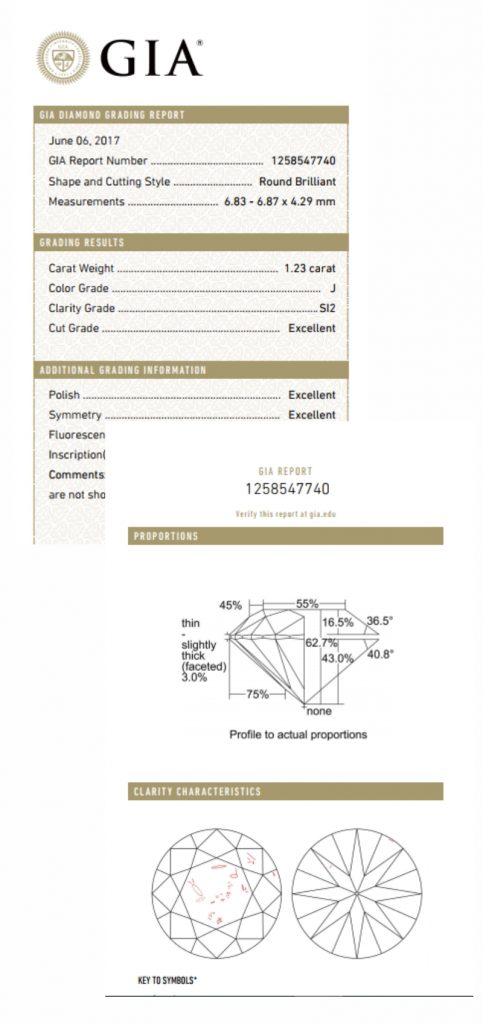
The “GIA” Gemological Institute of America is widely regarded as one of the world’s most trusted authorities in accurate diamond grading. After all, they developed the original “4C’s” diamond grading system still used throughout the industry today.

GIA certifies both natural and lab-grown diamonds, although the majority of their grading work is focused on natural diamonds.

Diamond Education 7

The “AGS” American Gem Society is another gem laboratory based in the United States. Instead of using the alphabetical grading system introduced by the GIA, AGS uses a numerical scale from 0–10 to grade a diamond’s characteristics, with 0 representing the highest grade and 10 the lowest.

Diamond Education 8

The “ADGL” Australian Diamond Grading Laboratory is an independently owned and operated lab however utilises GIA ‘Facetware’ GIA ‘FacetScan’ and other reputable testing equipment.  The ADGL is based in Queensland Australia and is operated by a diamond grader with over 30 years of experience in GIA and GAA ‘Gemmological Association of Australia’ training.

Diamond Education 9

The “IGI” International Gemological Institute is widely recognised throughout Europe, particularly in Antwerp, as well as across Asia and the United States, with offices located around the world. They have become a major global competitor in diamond grading.

IGI certifies both natural and lab-grown diamonds, with a significant portion of their work focused on lab-grown stones. Their certificates are detailed and highly regarded, often including information relating to Hearts and Arrows ideal cutting where applicable. Of particular interest in recent years is that IGI may also note any obvious signs of post-production enhancements in lab-grown diamonds on their certificates.

These diamond grading laboratories are not an exhaustive list, but they are among the most widely recognised and respected within the industry.

Diamond Laboratories
Fancy Vivid Pink Lab Grown Diamond

Coloured Diamonds

Searching for the best, the rarest, or something more unique in colour?

Me Jewellery has access to a selection of outstanding natural mined heat-treated diamonds and coloured laboratory-grown diamonds. Contact us if you are searching for something unique from the Argyle Mine or have specific coloured diamond requirements, and we’ll help source the best possible diamond for you.

Lab Grown Diamonds

“Blood diamonds” have long been a concern within parts of the natural diamond industry. Today, with the advancement of lab-grown diamond production, there is a more affordable and ethical alternative available.

We have access to tens of thousands of lab-grown diamonds, including stones certified by GIA, IGI, and GCAL.

To help you make an informed decision, we also provide FAQs with important information that outlines the key differences and considerations. Lab-grown diamonds are widely regarded as a strong alternative to naturally mined diamonds, depending on individual preferences and values.

 
Salt and Pepper Diamonds

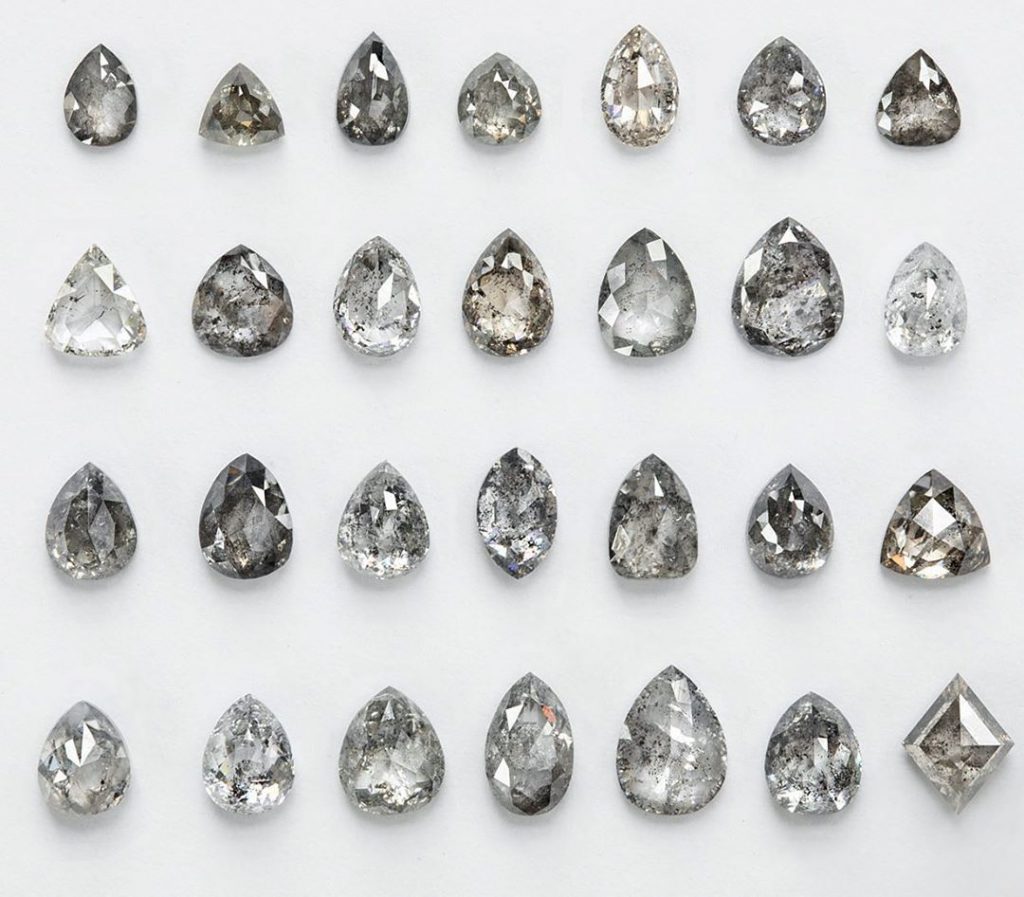
Various shapes and inclusion densities of Salt and Pepper Diamonds

Salt and pepper Diamonds

Not sure what they are? Salt and pepper diamonds are natural diamonds that contain visible black, white, or grey inclusions within the stone.

Are salt and pepper diamonds cheaper?

Almost all diamonds have some form of imperfection inside them — these are called “inclusions.” In general, the fewer inclusions a diamond has, the rarer and more valuable it is. The more inclusions present, the more common and typically more affordable the diamond becomes. For this reason, salt and pepper diamonds are usually more affordable than traditional white diamonds.

That said, salt and pepper diamonds are valued for their individuality. No two stones are the same, and there is no standard grading scale for them, which adds to their unique appeal.

Types of salt and pepper diamonds:

As shown in the image, salt and pepper diamonds vary greatly in appearance — ranging from lightly speckled stones to heavily included grey, marbled, or near-black diamonds. They are also commonly found in a rose cut, which features facets on the top with a flat base, enhancing their raw and organic look.

Images used on this page are sourced from third-party providers and are not affiliated with Me Jewellery. They are used under the principle of “fair use” for educational and illustrative purposes. If you are the rights holder and would like any image removed, please contact us and we will promptly take it down.

https://en.wikipedia.org/wiki/Fair_use